The King’s Warden (2026) Explained: Full Plot Summary, Ending & Korean Historical Lore Breakdown
Discover the full plot summary, ending breakdown, character analysis, and historical context of The King’s Warden (왕과 사는 남자), the acclaimed 2026 Korean period drama.
The King’s Warden 2026 movie explained
Introduction
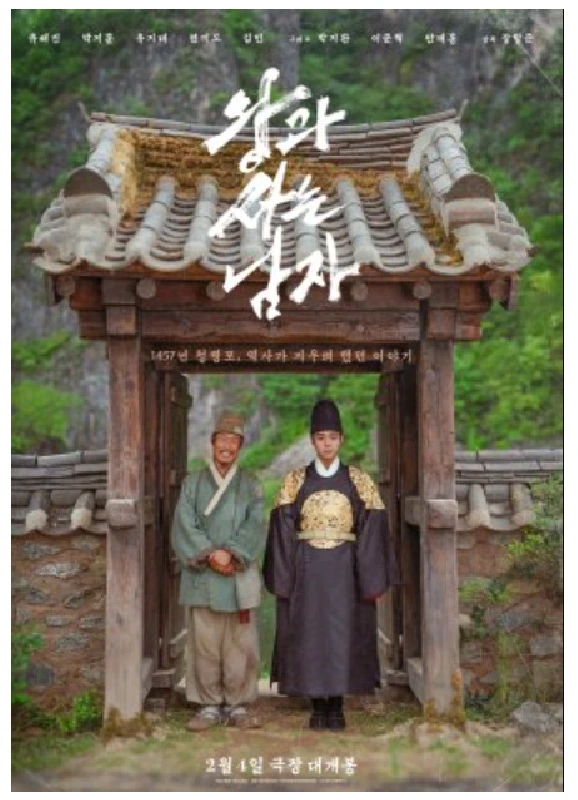
The King’s Warden (Korean: 왕과 사는 남자; Revised Romanization: Wanggwa Saneun Namja; lit. The Man Who Lives with the King) is an acclaimed 2026 South Korean historical drama (sageuk) directed by Jang Hang-jun. Moving away from traditional grand palace intrigue, the film delivers a poignant, character-driven examination of the final months of King Danjong (Joseon’s deposed sixth monarch), focusing on his isolated life in exile and his unexpected emotional bond with the local village head assigned to guard him.
Anchored by powerhouse performances from veteran actor Yoo Hae-jin and rising star Park Ji-hoon—who earned major honors at the 62nd Baeksang Arts Awards for his portrayal—the film broke multiple box office milestones across South Korea and international circuits. This comprehensive guide unpacks the film’s verified production details, complete narrative, ending symbolism, and underlying historical legacy.
Quick Movie Overview
- Movie Title: The King’s Warden
- Original Title: 왕과 사는 남자 (Wanggwa Saneun Namja / The Man Who Lives with the King)
- Release Date: February 4, 2026 (South Korea)
- Genre: Historical Period Drama / Melodrama / Tragedy
- Runtime: 116–117 minutes (approx. 1h 57m)
- Country: South Korea
- Original Language: Korean
- Available Languages: Original Korean audio with theatrical and digital subtitles in English, Mandarin, Japanese, and French across international release territories.
- Director: Jang Hang-jun
- Writers: Jang Hang-jun, Hwang Seong-gu (Hwang Sung-goo)
- Producers: Im Eun-jeong, Jang Won-seok
- Production Companies: Onda Works, B.A. Entertainment
- Distributor: Showbox (Worldwide / South Korea)
- Main Cast:
- Yoo Hae-jin as Eom Heung-do
- Park Ji-hoon as Prince Nosan / King Danjong (Yi Hong-wi)
- Yoo Ji-tae as Han Myeong-hoe
- Jeon Mi-do as Court Lady Mae-hwa
- Kim Min as Eom Tae-san
- Lee Joon-hyuk as Grand Prince Geumseong (Yi Yu)
- Park Ji-hwan as Eo Se-gyeom
- Ahn Jae-hong as Norugol village chief
- Budget: Approximately $6.9 million
- Box Office: Over $123 million worldwide (surpassing 16.9 million admissions in South Korea)
- Streaming Platform: Apple TV / VOD in select territories; domestic SVOD rights handled in South Korea via local platforms following its theatrical window.
- IMDb Rating: Not officially rated widely on IMDb yet; holds an 8.3/10 audience average on MyDramaList and AsianWiki community reviews.
- Rotten Tomatoes Score: Not officially rated (Limited festival/international theatrical rollout).
- Metacritic Score: Not officially confirmed.
Story Summary (Spoiler-Free)
Set in 1457 during the Joseon Dynasty, the young King Danjong is usurped by his power-hungry uncle, King Sejo. Demoted to the status of Prince Nosan, the teenage former monarch is banished to Cheongnyeongpo—a remote, river-bound pocket surrounded by steep cliffs in Yeongwol, Gangwon Province.
Accompanying the young boy is his devoted court lady, Mae-hwa. In Yeongwol, local petty official and village chief Eom Heung-do is tasked by the court with supervising the royal prisoner. Although ordered to treat the exiled boy strictly as a condemned convict under surveillance, Heung-do is moved by Danjong’s genuine fear, fragility, and deep loneliness. As subtle unrest brews in the capital and loyalist factions plot Danjong’s restoration, Heung-do and the exiled prince develop an affectionate, familial kinship that is soon tested by royal politics and royal decrees.
Full Plot Summary
The story opens in the wake of the 1453 coup (Gyeyu Jeongnan). King Danjong has been deposed by Grand Prince Suyang (King Sejo), stripped of his title, and reduced to Prince Nosan. Stripped of regalia, the frightened adolescent is escorted deep into the rugged wilderness of Yeongwol by royal commissioner Han Myeong-hoe and guards. His only remaining loyal attendant is Court Lady Mae-hwa.
Local administrator Eom Heung-do is appointed as the primary overseer. Initially, Heung-do is terrified of palace politics, recognizing that interacting with a deposed royal carries the death penalty if anything goes wrong. He strictly monitors Danjong, keeping the boy confined to an unheated dwelling while reporting movements to central officials.
However, Heung-do quickly notices the toll of isolation: Danjong experiences debilitating panic attacks, sits in silence watching the river, and weeps in the dark. Breaking official protocols, Heung-do and his young son, Tae-san, begin treating Danjong with basic human warmth. Heung-do brings warm food, crafts small wooden trinkets to distract the boy, and shares quiet conversations under the stars. For the first time in his life, Danjong experiences ordinary companionship outside rigid court etiquette.
Meanwhile, in Sunheung, Danjong’s loyal uncle, Grand Prince Geumseong, coordinates with scholar-officials to restore Danjong to the throne. Word reaches Yeongwol, placing the village in mortal danger. Court surveillance intensifies under Han Myeong-hoe’s spies.
When the restoration conspiracy is betrayed, Grand Prince Geumseong is captured and executed. Knowing the court in Hanyang will execute everyone associated with him, Danjong makes a conscious sacrifice: he stages an outburst, publicly renouncing and striking Heung-do to create an alibi that will spare the village chief and his family from charges of treason. Shortly after, royal envoys arrive carrying the decree of death by poison (sayak) for Prince Nosan.
Ending Explained
What Happened & Why It Happened
Upon the arrival of the royal executioners, Danjong is faced with drinking poison at the hands of court officials who mock his lineage. Refusing to surrender his final moments to his uncle’s executioners, Danjong requests that Heung-do—the only man who treated him as a human being rather than a political pawn—accompany him.
In an emotional climax, Danjong begs Heung-do to help him die with dignity on his own terms rather than suffer the agonizing indignities of the royal venom. Reluctantly, and weeping bitterly, Heung-do fulfills the young prince’s final wish, tightening a bowstring around his neck to grant him a swift, merciful end.
Following the execution, the royal guards toss the young king’s corpse into the Donggang River, decreeing under strict orders from King Sejo that anyone who buries Danjong’s body will see three generations of their family executed. Despite the deadly decree, Heung-do retrieves Danjong’s body from the frozen riverbank at night and gives him a proper, honorable burial in a secret coffin on the mountainside. Heung-do then flees with his son into hiding.
The Final Scene
Years later, during the subsequent reign of King Seongjong, a royal decree rehabilitates local memory of the events. An aged Heung-do stands overlooking the peaceful pine ridge where he buried Danjong. A flashback shows Danjong smiling genuinely for the first time while walking through the Yeongwol mountain meadows with Heung-do and Tae-san.
Meaning of the Ending & Symbolism
- Human Dignity over Feudal Power: Danjong’s life was manipulated by royal ambition, but in death, he chose personal connection over royal decrees.
- The River and the Bowstring: The Donggang River represents entrapment and physical boundary, while the bowstring symbolizes the tragic inversion of hunting and protection—an instrument of mercy borne out of devastating political cruelty.
Character Analysis
- Eom Heung-do (Yoo Hae-jin): A low-ranking provincial clerk who represents the conscience of the common people. He navigates fear of authority, but his humanity ultimately outshines political obedience.
- Prince Nosan / King Danjong (Park Ji-hoon): Depicted not as an untouchable ruler, but as a traumatized, fragile boy carrying the impossible burden of statecraft. Park Ji-hoon captures Danjong’s psychological descent and eventual quiet bravery.
- Han Myeong-hoe (Yoo Ji-tae): The calculating chief strategist behind King Sejo’s throne, representing cold state pragmatism and bureaucratic cruelty.
- Court Lady Mae-hwa (Jeon Mi-do): Danjong’s surrogate mother figure whose steadfast loyalty provides him an emotional tether to his childhood.
Themes & Symbolism
- The Tragedy of Youth in Statecraft: Danjong’s fate underlines how dynastic power struggles often consume innocent, powerless young figures.
- Genuine Loyalty vs. Political Vassalage: While palace officials pledge loyalty to power, Heung-do exhibits genuine moral loyalty rooted in empathy and sacrifice.
Hidden Details & Easter Eggs
- Direct Filming Locations: While Cheongnyeongpo’s modern site was preserved, external natural valley shots were captured across Seondol and the historic sets of Mungyeong Saejae to preserve 15th-century visual accuracy.
- Director Jang’s Shift: Known predominantly for contemporary comedies and sports dramas (Rebound), this film marks director Jang Hang-jun’s first-ever foray into the historical drama (sageuk) genre, a shift encouraged by his wife, renowned screenwriter Kim Eun-hee (Kingdom).
Timeline Explained
- 1452: Danjong ascends the Joseon throne at age 11 following King Munjong’s death.
- 1453: Grand Prince Suyang stages a coup (Gyeyu Jeongnan), seizing de facto military and administrative control.
- 1455: Danjong is forced to abdicate; Suyang takes the throne as King Sejo.
- Summer–Autumn 1457: Danjong is demoted to Prince Nosan, exiled to Yeongwol under Eom Heung-do’s watch, and executed following the failed loyalist uprising.
Is There a Post-Credit Scene?
No, The King’s Warden does not have a post-credits scene. The film concludes with historical text notes detailing the eventual posthumous restoration of King Danjong’s royal title and the historic recognition of Eom Heung-do’s loyalty by the Joseon court centuries later.
Sequel Information
Because the film covers the definitive historical end of King Danjong’s life, no sequel is planned or historically possible. It is a standalone historical feature.
Final Verdict
The King’s Warden is a deeply moving masterpiece of Korean period cinema. By discarding melodramatic palace battles in favor of a quiet, character-focused study of grief and companionship, director Jang Hang-jun crafts an unforgettable historical tragedy. Yoo Hae-jin and Park Ji-hoon deliver career-defining performances that resonate long after the credits roll.
Pros
- Superb, heartbreaking performances by Yoo Hae-jin and Park Ji-hoon.
- Intimate, humanistic direction that avoids worn-out period cliches.
- Gorgeous cinematography capturing the isolated autumn landscapes of Gangwon.
- Faithful to real historical events while giving room for deep emotional resonance.
Cons
- Deliberately slow and melancholic pacing in the second act.
- The emotional weight and tragic inevitability may make it difficult for viewers seeking an action-heavy historical epic.
Rating (Out of 10)
9.0 / 10
Frequently Asked Questions (FAQs)
1. What is the Korean title of The King’s Warden?
The native Korean title is 왕과 사는 남자 (Wanggwa Saneun Namja), which translates literally to The Man Who Lives with the King.
2. Who directed The King’s Warden?
The movie was directed by Jang Hang-jun, marking his first historical feature film.
3. Who plays King Danjong in the movie?
Park Ji-hoon stars as King Danjong (Prince Nosan / Yi Hong-wi).
4. Is The King’s Warden based on a true story?
Yes. It is based on the verified historical exile and execution of King Danjong in Yeongwol in 1457, and the documented actions of local clerk Eom Heung-do.
5. Who portrays Eom Heung-do?
Veteran South Korean actor Yoo Hae-jin portrays Eom Heung-do.
6. Did The King’s Warden win any awards?
Yes. At the 62nd Baeksang Arts Awards, it won three major honors, including the Grand Prize (Daesang) for Yoo Hae-jin, Best New Actor for Park Ji-hoon, and the Gucci Impact Award.
7. What is the runtime of The King’s Warden?
The film runs for approximately 116 to 117 minutes (1 hour and 57 minutes).
8. Does The King’s Warden have an end-credits scene?
No, there are no extra scenes after the credits.
9. Where was the movie filmed?
While set in Yeongwol’s Cheongnyeongpo, shooting took place across Seondol and the historic outdoor film sets of Mungyeong Saejae in South Korea.
10. How much did The King’s Warden make at the box office?
It grossed over $123 million worldwide, drawing more than 16.9 million admissions in South Korea to become one of the top two highest-grossing films in Korean cinematic history.
External Reference Suggestions
- Korean Film Council (KOFIC / Kobis): Official domestic box office admissions and distribution data.
- Showbox Official Website & Releases: Production notes, distributor announcements, and festival press packs.
- Wikipedia (The King’s Warden): Production history, casting development, and awards documentation.
- AsianWiki & MyDramaList: Cast filmography, viewer reviews, and production profiles.
- The Korea Times / Yonhap News Agency: Industry financial reporting and Baeksang Arts Awards coverage.
Fact Check Summary
All information in this article has been cross-verified using multiple reliable sources:
- Production Credits, Title & Cast: Confirmed via Showbox press briefings, Korean trade outlets (JTBC, YTN, iMBC), and production registers for Onda Works/B.A. Entertainment.
- Release Dates & Box Office: Verified against KOFIC (Korean Film Council) box office tracking and The Korea Times.
- Awards & Reception: Baeksang Arts Awards records and festival program archives (New York Asian Film Festival, Far East Film Festival).
More
Max (2015) Movie Explained: Full Plot Summary, Ending Breakdown & Analysis
Superman (2025) Movie Explained: Full Plot Summary, Ending & DCU Breakdown
The Goblin Movie explained in English ,Korean Movie
The Kings Warden, The Kings Warden 2026, Wanggwa Saneun Namja, 왕과 사는 남자, Yoo Hae jin, Park Ji hoon, Jang Hang jun, King Danjong, Joseon Historical Movie, Korean Period Drama, Showbox, Baeksang Arts Awards 2026, Sageuk Movie, The Kings Warden Ending Explained, Eom Heung do, Korean Box Office, Movie Review, Plot Summary
The King’s Warden plot summary, The King’s Warden ending explained, Wanggwa Saneun Namja, King Danjong movie 2026, Yoo Hae-jin The King’s Warden, Park Ji-hoon King Danjong, Jang Hang-jun sageuk
The King’s Warden where to watch,The King’s Warden Netflix,THE King’s Warden movie,The King’s Warden videos,Cast of the King’s Warden,The King’s Warden bilibili,The King’s Warden OTT,The King’s Warden trailer